Quick answer: If you believe a traffic fine was issued in error, you can usually file an objection through the official channels (often via Absher), typically within a limited time window after the violation. Prepare any supporting evidence, submit your objection, and wait for the decision. If it's rejected, the fine generally stands and should be paid — so act promptly and keep your records.
When you can object
Not every fine is worth disputing — but genuine errors do happen. You might have grounds to object if, for example, the vehicle wasn't yours at the time, the violation appears to be a duplicate, or there's a clear factual mistake in the record. The objection process exists precisely for these situations, giving you a formal way to ask the authorities to review a fine you believe is incorrect.
Mind the deadline
This is the single most important thing to know: objections generally must be filed within a limited period after the violation is recorded. Miss that window and the option to dispute may close, leaving you to pay. So the moment you spot a fine you think is wrong, treat it as time-sensitive and start the objection rather than leaving it.
Don't delay: The right to object is time-limited. Check your violations regularly so you never discover a disputable fine too late — see how to check traffic violations.
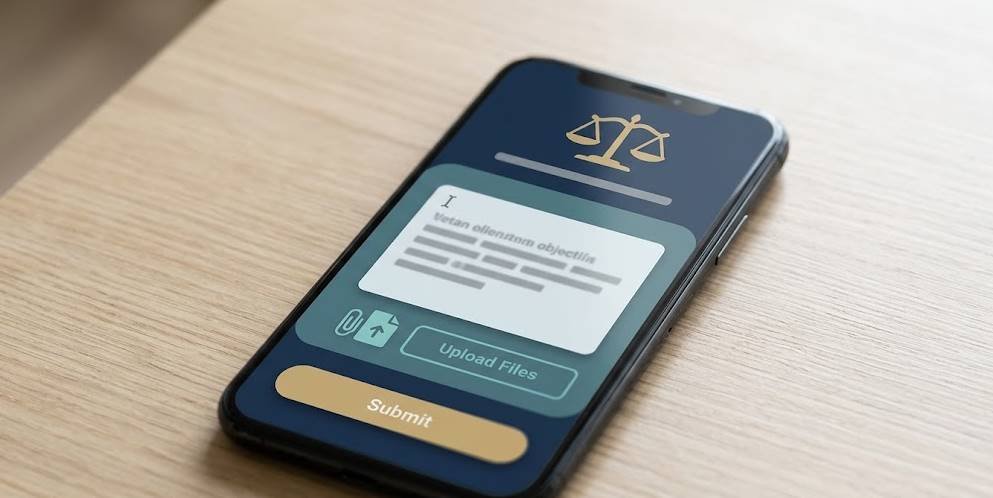
How to file an objection
Locate the fine and its details in Absher (or the relevant traffic service).
Open the objection / appeal option for that violation.
State your reason clearly and concisely.
Attach any supporting evidence you have.
Submit and keep the reference for tracking.
Evidence that helps
A clear, well-supported objection has the best chance. Depending on the situation, useful evidence can include:
Examples of supporting evidence for an objection.
Situation
Helpful evidence
Vehicle wasn't yours
Proof of sale/transfer or that another party was responsible
Duplicate fine
Reference of the original/related violation
Factual error
Anything showing the recorded detail is wrong
After you submit
Once filed, your objection is reviewed by the authorities, and you'll receive a decision. If it's accepted, the fine is cancelled or adjusted. If it's rejected, the fine stands and should be paid to avoid any escalation. Either way, keep your submission reference and the outcome on record. If the objection fails, settling promptly via Sadad keeps your record clean for renewals and travel.
Be realistic: Object when you have a genuine reason and evidence. If a fine is valid, paying it on time is the simplest path.
Frequently asked questions
Can I object to a traffic fine?
Yes. If you believe a fine was issued in error, you can usually file an objection through the official channels, often within a set time window after the violation.
Is there a deadline to object?
Generally yes — objections must be filed within a limited period after the violation. Acting promptly matters, as the option may close after that window.
What if my objection is rejected?
The fine typically stands and should be paid. Some cases may allow escalation, but be prepared to settle the fine if the objection fails.
Written by the IqamaDesk team. We explain Saudi fines and dispute processes in plain language for expats.
Disclaimer: IqamaDesk is an independent informational website and is not affiliated with Absher or the Saudi Ministry of Interior. Objection rules, deadlines and outcomes depend on individual circumstances and can change. Always rely on official channels for the current process and decisions.