Basic vs full activation
It surprises many new users that having an Absher login doesn't automatically mean you can do everything. There are effectively two levels:
| Level | What you get |
|---|---|
| Basic account | Limited access after registration |
| Full activation | Complete services, including sensitive transactions |
Full activation involves a stronger identity verification, which is exactly why it then trusts you with more sensitive actions like issuing visas and managing dependents.
Where to activate
The route to full activation depends on your circumstances, but the common options are:
- Self-service kiosk: dedicated machines where you verify your identity.
- Bank ATM: certain banks support Absher activation through their ATMs for their customers.
- In person: at an approved government location, if the other routes aren't available to you.
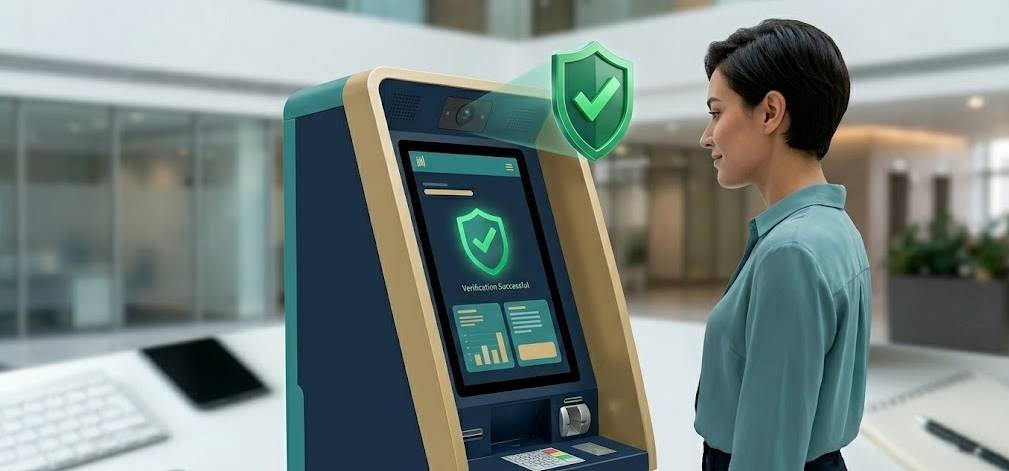
The activation steps
- Register first so you have a basic account. See how to register on Absher.
- Choose your activation route — kiosk, supported bank ATM, or in person.
- Verify your identity as prompted at the machine or counter.
- Confirm and wait for your account to be upgraded to full access.
- Log in and check that the previously locked services are now available.
What activation unlocks
Once your account is fully activated, the platform opens up. You'll typically be able to check and renew your Iqama, issue exit re-entry visas, manage and add family members, view and pay fines, and use the many other government services that run through Absher. In short, activation is the step that turns Absher from a login into a genuinely useful tool.
Common activation issues
- Account still limited: you've registered but not completed the activation step.
- Bank route unavailable: not every bank or ATM supports it — try another route.
- Details mismatch: your information must match official records to verify.